

Securing the C-Suite: How We Prevented a High-Stakes Culture Breach
Discover how Insight Intel conducts in-depth recruitment due diligence for leadership hires. Learn how we verify digital footprints, uncover hidden affiliations, and deliver actionable intelligence before you hire.
Categories:
Date Posted:
June 23, 2025
Securing the C-Suite: How We Prevented a High-Stakes Culture Breach
Discover how Insight Intel conducts in-depth recruitment due diligence for leadership hires. Learn how we verify digital footprints, uncover hidden affiliations, and deliver actionable intelligence before you hire.
Categories:
Date Posted:
June 23, 2025
Securing the C-Suite: How We Prevented a High-Stakes Culture Breach
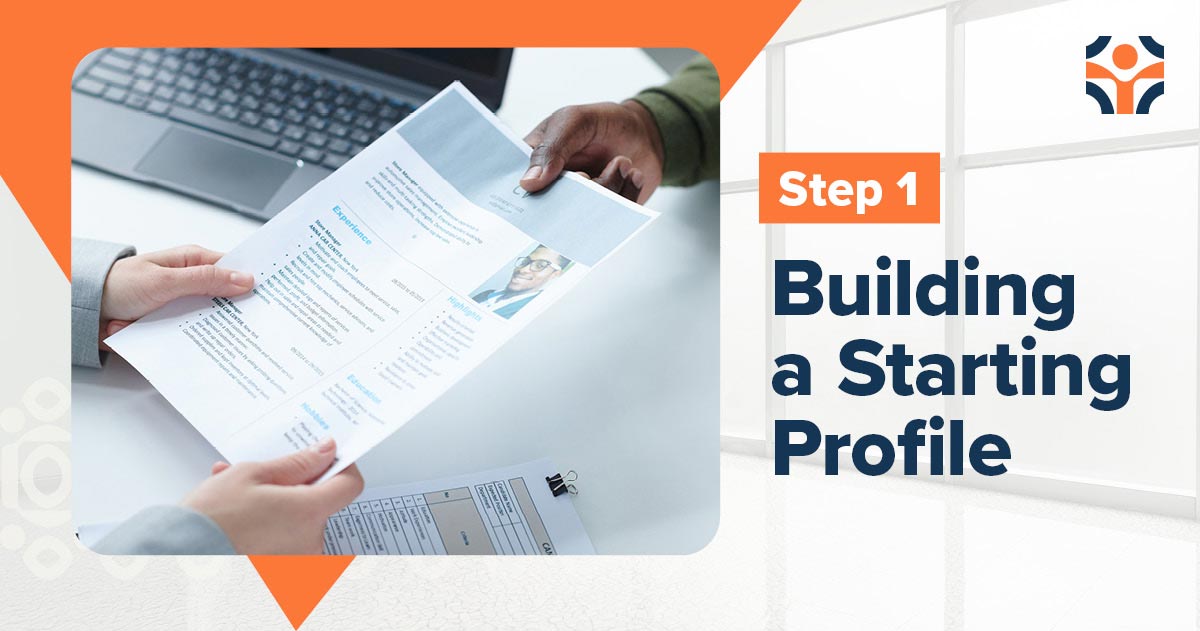
Step 1: Building a Starting Profile
Every recruitment due diligence investigation begins with the details you already have on hand. This typically includes the candidate’s full name, email address, CV, or a link to their LinkedIn profile. These identifiers serve as anchor points from which we begin to build a digital profile using Open Source Intelligence (OSINT).
We then enrich this base profile by sourcing public records, online mentions, archived web pages, and third-party data. The goal at this stage is to construct a multi-dimensional view of the candidate that combines their professional identity, online behavior, and digital footprint.
At this point, we’re not just collecting information. We’re organizing it into categories like career history, education, published work, affiliations, and geographic markers. This helps us draw connections in later steps and provides an early baseline for comparison.

Step 2: Verifying Online Footprints
Next, we verify whether the public narrative presented by the candidate matches reality. This includes reviewing activity across professional platforms like LinkedIn and GitHub, personal platforms like Facebook or X (formerly Twitter), and any online articles, interviews, or public posts.
We compare these digital profiles against the candidate’s CV and official applications. Do the job titles, timelines, and company names line up? Have they received endorsements or published work that supports their claims?
We also take note of red flags that might be subtle to a casual observer. For example:
- Gaps in employment that aren’t accounted for
- Inflated or misleading job titles
- Endorsements from fake or inactive accounts
- A lack of engagement on platforms they claim to use professionally
This step is particularly important for high-level hires, where trust and credibility are essential.
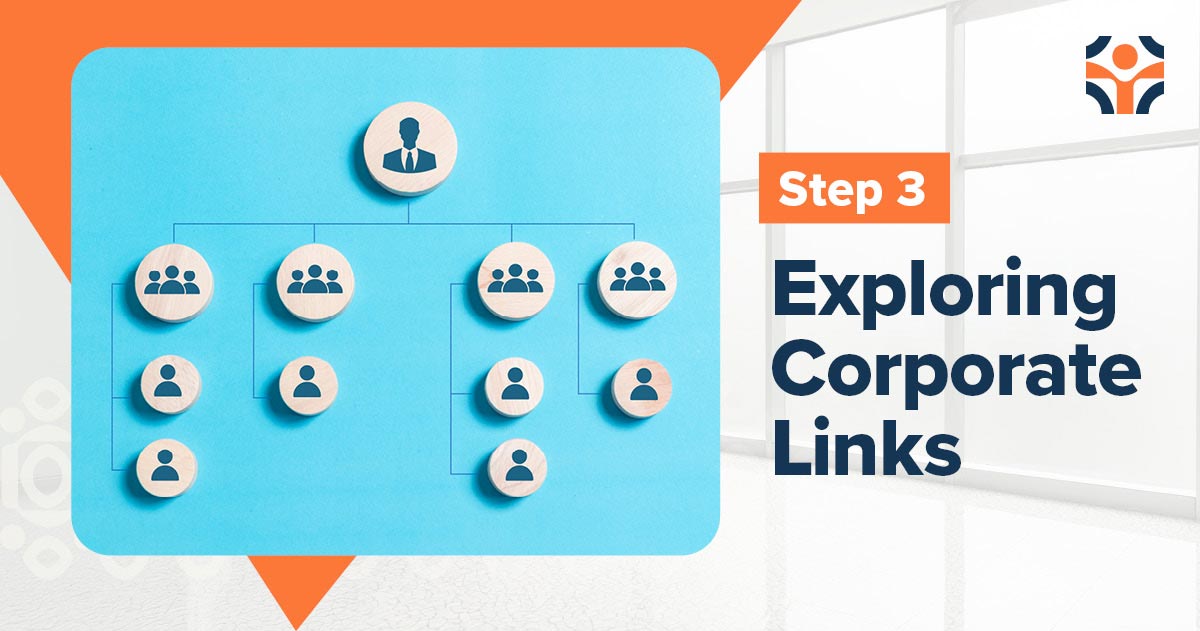
Step 3: Exploring Corporate Links
Many executives and professionals hold roles in more than one business. While this can show experience and entrepreneurship, it can also signal conflicts of interest or failed ventures they’ve chosen not to disclose.
We search national and international company registries to identify where the candidate has served as a director, shareholder, founder, or executive. This includes checking for:
- Past or present ownership in other companies
- Liquidated or dissolved entities tied to the candidate
- Patterns of involvement in short-lived or high-risk ventures
These insights are especially helpful if you’re concerned about potential distractions, divided loyalties, or undisclosed business interests.

Step 4: Revealing Undisclosed Connections
Executives rarely operate in isolation. Their careers are shaped by networks of investors, collaborators, former colleagues, and partners. Some of these connections can be a liability — particularly if they link the candidate to industry competitors, controversial figures, or individuals involved in misconduct.
Using advanced link analysis, we map the candidate’s known associations to surface hidden ties. This includes relationships that may not be obvious through conventional vetting methods, such as:
- Co-directorships with known bad actors
- Shared ownership in shell companies
- Recurring appearances alongside questionable affiliates in press or online forums
This step helps reveal whether a candidate has omitted important parts of their professional story — either deliberately or out of oversight.
Step 5: Delivering a Clear Report
After gathering and verifying all relevant information, we compile the findings into a visual, easy-to-understand report. The report highlights the candidate’s professional timeline, digital presence, business affiliations, and notable connections.
Rather than giving you a static list of facts, we provide an interactive view that shows how different data points link together. This allows your team to quickly:
- Spot contradictions in work history
- Identify gaps or omissions
- Flag high-risk associations
- Understand the context behind each data point
Our report equips your decision-makers with intelligence, not just information. You can move forward with the hiring process knowing exactly who you’re bringing into the organization.
Why This Matters
Leadership hires are among the most costly and consequential decisions a business can make. A single misstep can lead to reputational damage, strategic misalignment, or legal risk.
Insight Intel’s recruitment due diligence process is designed to give you the full picture, not just what’s written on a CV. We help you hire with clarity and confidence, backed by verified intelligence and expert analysis.