
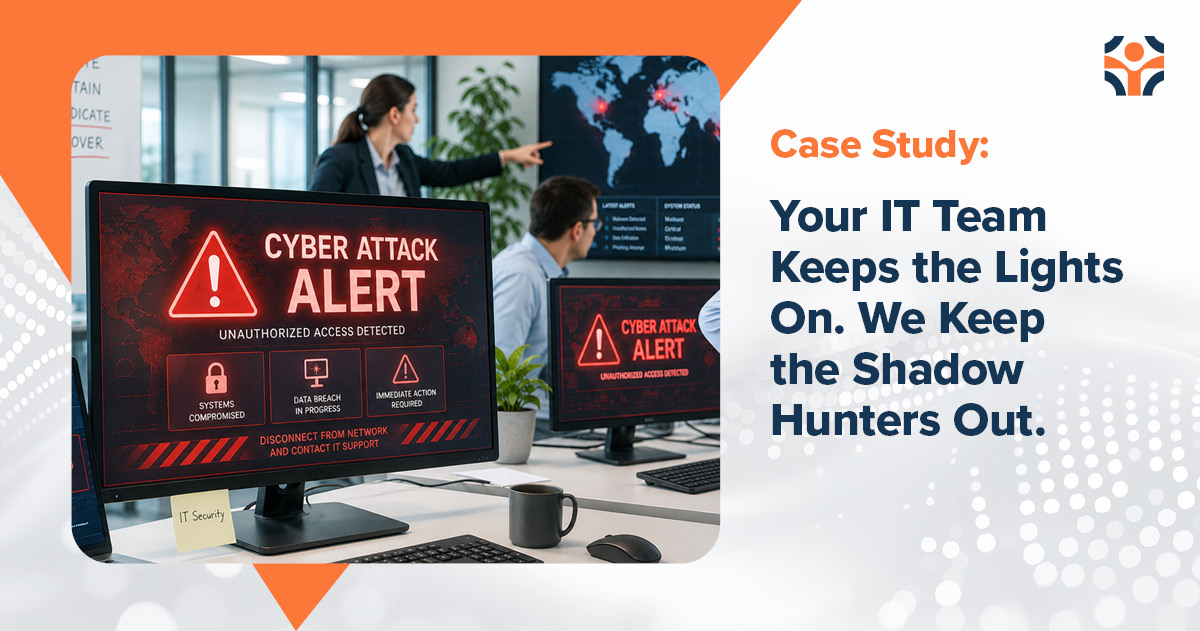
Your IT Team Keeps the Lights On. We Keep the Shadow Hunters Out.
Most cyberattacks begin long before an intrusion attempt is detected. Through reconnaissance, threat actors gather intelligence, identify vulnerabilities, and map digital footprints before launching an attack. Learn how external threat intelligence complements your IT team's efforts by providing visibility into emerging threats, exposed assets, and adversarial activity beyond your organisation's perimeter.
Your IT Team Keeps the Lights On. We Keep the Shadow Hunters Out.
Most cyberattacks begin long before an intrusion attempt is detected. Through reconnaissance, threat actors gather intelligence, identify vulnerabilities, and map digital footprints before launching an attack. Learn how external threat intelligence complements your IT team's efforts by providing visibility into emerging threats, exposed assets, and adversarial activity beyond your organisation's perimeter.
Beyond the Handshake: Rethinking How to Start a Partnership
Every successful business relies heavily on its IT department. From maintaining network stability and managing critical infrastructure to ensuring employees can work productively and securely, IT teams play an essential role in keeping organisations operational. They are responsible for safeguarding systems, implementing security controls, and responding to incidents that could disrupt business continuity. Their focus is necessarily inward-looking, concentrating on the systems, users, and technologies that exist within the organisation’s digital environment.
However, modern cyber threats do not originate from inside the business. They emerge from an increasingly complex external landscape where cybercriminals, fraudsters, hostile competitors, and organised threat actors are constantly searching for vulnerabilities to exploit. While your IT team is focused on maintaining and protecting internal systems, attackers are often conducting extensive reconnaissance from the outside, gathering intelligence about your organisation long before they attempt an intrusion.
This growing gap between internal security management and external threat visibility has become one of the most significant challenges facing organisations today. Businesses can invest heavily in cybersecurity tools and still remain vulnerable if they lack visibility into how they appear to potential adversaries. Understanding what attackers can see, and what they may be planning, is becoming just as important as maintaining strong internal defences.
Modern Cyber Threats Begin with Reconnaissance
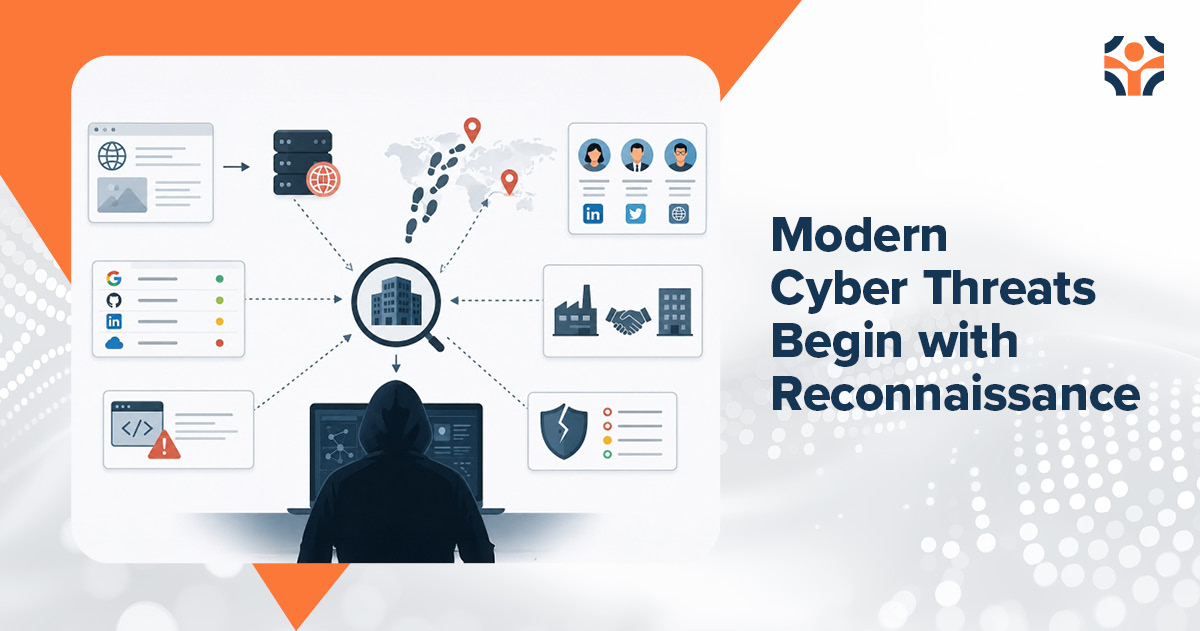
Contrary to popular perception, most cyberattacks do not begin with a phishing email or a malicious login attempt. Successful attacks are usually preceded by a period of research and intelligence gathering. Threat actors often spend weeks or months collecting information about a target before taking any direct action.
During this reconnaissance phase, attackers analyse publicly available information, identify exposed systems, map an organisation’s digital footprint, research employees, investigate suppliers and partners, and look for technical or operational weaknesses that may provide an entry point. They may monitor social media activity, examine company websites, identify key decision-makers, and search for exposed credentials or vulnerable infrastructure.
The objective is simple: gather enough intelligence to maximise the likelihood of a successful attack while minimising the risk of detection. By the time malicious activity becomes visible to traditional security monitoring tools, attackers may already possess a detailed understanding of the organisation they intend to target.
This is why organisations can no longer afford to focus exclusively on defensive technologies. Understanding the external environment and identifying threats during their planning stages can provide a significant strategic advantage.
Why Blocking Threats Is No Longer Enough
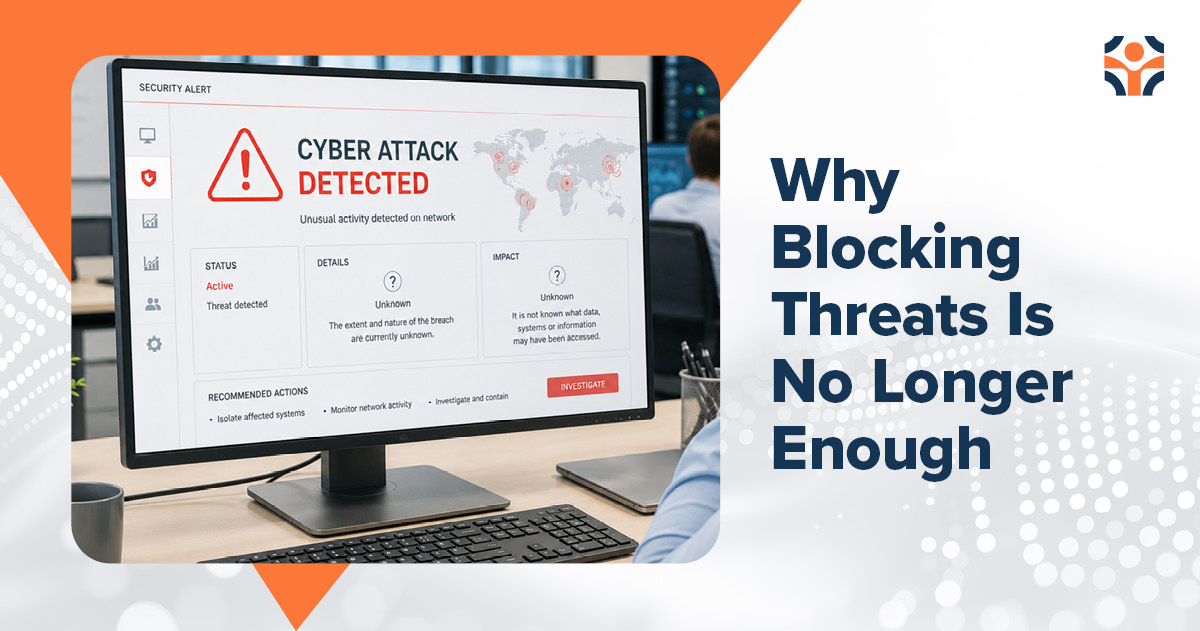
Most organisations rely on a combination of firewalls, endpoint protection platforms, intrusion detection systems, and security monitoring solutions to defend their networks. These technologies are critical components of any cybersecurity strategy and form the foundation of modern digital security.
However, there is an important limitation to these tools. Most are designed to detect, block, or respond to activity once a threat has already reached the perimeter of the organisation. In many respects, they function like a sophisticated alarm system. While an alarm is essential, it only activates once someone attempts to gain access.
What it does not reveal is who has been studying the building, which entry points they have identified, or whether they have already found a weakness that could be exploited in the future.
This distinction is increasingly important as cyber threats become more sophisticated. Organisations need visibility beyond the perimeter. They need intelligence that helps them understand who may be targeting them, how adversaries operate, and which vulnerabilities are attracting attention before an attack occurs.
Rather than simply waiting for alerts, businesses should be seeking opportunities to identify and mitigate risk proactively. This is where external intelligence becomes a valuable addition to traditional cybersecurity programmes.
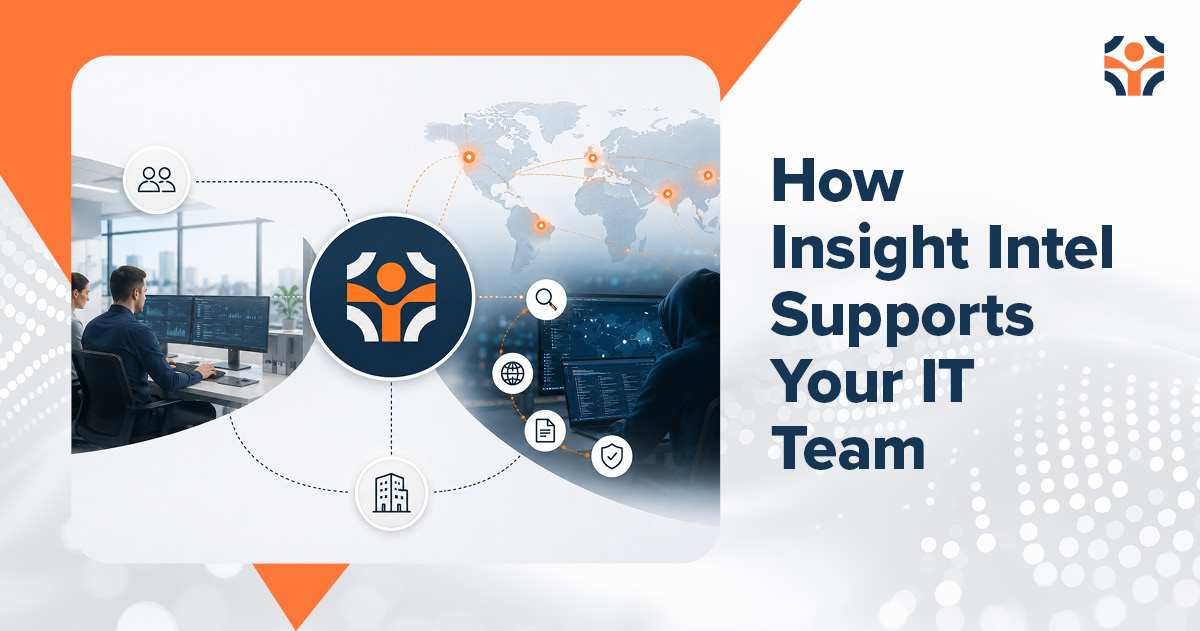
How Insight Intel Supports Your IT Team
At Insight Intel, our role is not to replace your IT department. Internal IT teams possess an in-depth understanding of organisational systems, operational requirements, and business priorities. Instead, we complement their capabilities by providing specialised intelligence focused on the external threat landscape.
By combining investigative methodologies, open-source intelligence techniques, and advanced analysis capabilities, we help organisations identify risks that may not be visible from within their own networks.
Mapping the Adversary’s Blueprint
Threat actors rarely operate randomly. They typically follow established patterns, utilise specific infrastructure, and often target industries that align with their objectives. Understanding these behaviours can provide valuable insight into potential threats before they materialise.
Through specialised intelligence gathering and link analysis, Insight Intel helps organisations understand who may be monitoring or targeting their sector, what capabilities those adversaries possess, and how they are approaching potential victims. This information enables businesses to move beyond reactive security and adopt a more informed, intelligence-led approach to risk management.
Turning Data into Actionable Intelligence
One of the greatest challenges facing modern IT teams is not a lack of information but an overwhelming abundance of it. Security tools generate thousands of alerts, logs, and notifications every day, making it difficult to distinguish genuine threats from routine background noise.
Insight Intel focuses on filtering that noise and identifying intelligence that has immediate operational value. Rather than providing raw data, we deliver verified intelligence that can support decision-making and defensive action. This may include identifying malicious infrastructure, fraudulent domains, emerging phishing campaigns, exposed credentials, or threat actor activity relevant to a specific organisation or industry.
By providing high-confidence intelligence, we enable IT teams to focus their efforts where they matter most.
Finding the Vulnerabilities Others Can See
Organisations often have a strong understanding of their internal systems but limited visibility into how their digital presence appears to external observers. Attackers actively search for overlooked exposures such as outdated services, misconfigured systems, forgotten web assets, exposed credentials, or publicly accessible information that can be leveraged during an attack.
Insight Intel evaluates an organisation’s external footprint from an adversarial perspective. By identifying exposures before threat actors do, businesses can address weaknesses proactively and strengthen their overall security posture. This external viewpoint often reveals risks that internal teams may not encounter during their day-to-day operations.
Intelligence-Led Security Creates Strategic Advantage
Cybersecurity is no longer solely a technical function. It has become a strategic business concern that directly affects governance, reputation, operational resilience, and long-term growth. Organisations that rely exclusively on defensive technologies may find themselves reacting to threats that have already progressed beyond the planning stage.
By incorporating external intelligence into their security strategy, businesses gain earlier visibility into emerging risks and a deeper understanding of the threat landscape surrounding their operations. This enables more informed decision-making, better allocation of security resources, and a stronger ability to prevent incidents before they occur.
The combination of internal technical expertise and external intelligence creates a more complete and resilient security posture. While IT teams focus on maintaining secure, reliable operations, intelligence specialists can monitor the horizon for developing threats and emerging vulnerabilities.
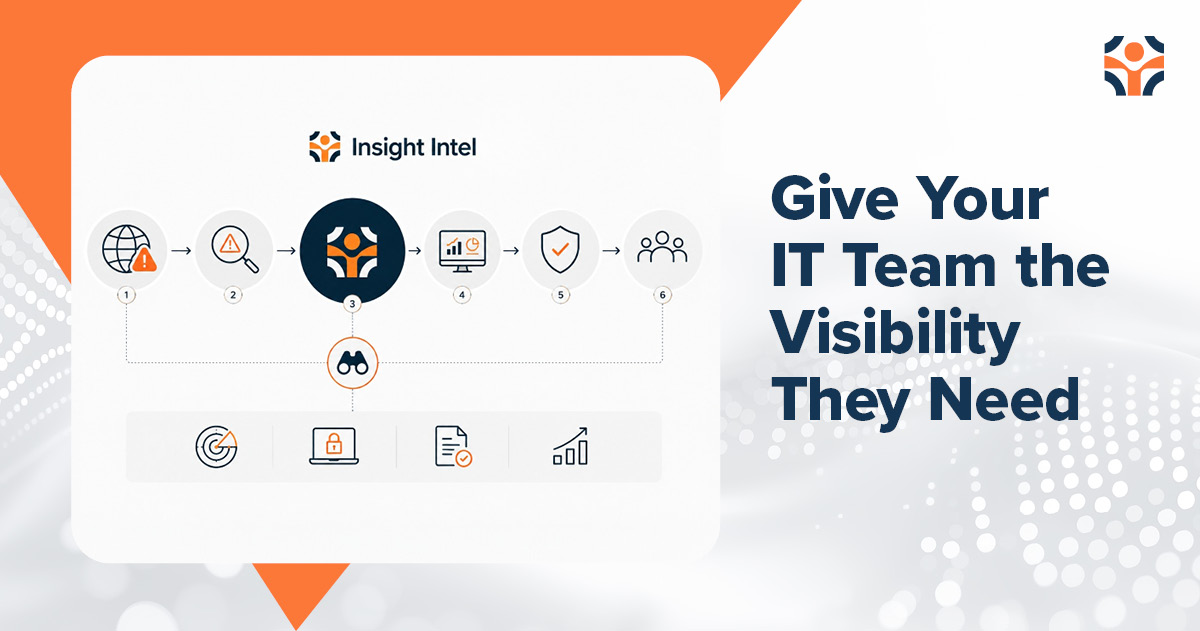
Give Your IT Team the Visibility They Need
Your IT team already carries significant responsibility. They manage infrastructure, support users, secure systems, and keep critical business operations running smoothly. Asking them to continuously monitor the external threat landscape as well can stretch resources and reduce effectiveness.
Insight Intel provides the additional visibility needed to identify threats before they become incidents. By uncovering vulnerabilities, monitoring adversarial activity, and delivering actionable intelligence, we help organisations strengthen their security posture while allowing internal teams to remain focused on their core responsibilities.
In today’s threat environment, the organisations that succeed are not simply the ones with the strongest defences. They are the ones with the clearest understanding of the risks developing beyond their perimeter. The question is whether your business has the intelligence required to see those risks before your adversaries do.