
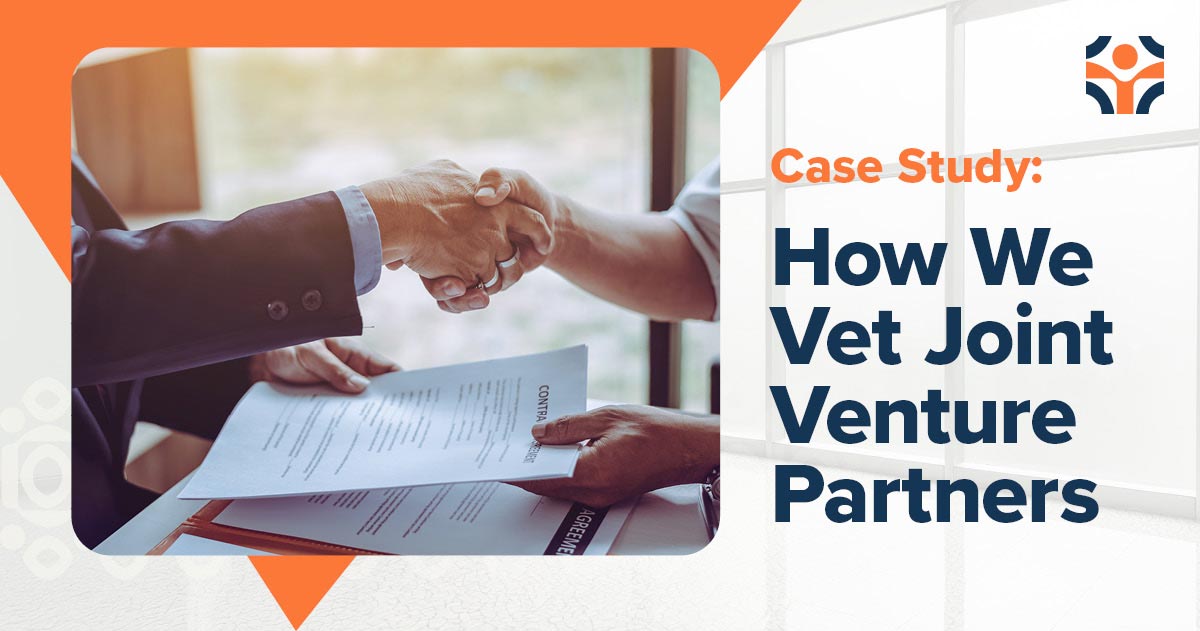
Case Study: How We Vet Joint Venture Partners
At Insight Intel, we specialize in uncovering what traditional due diligence often overlooks. Our joint venture vetting process digs deeper to expose hidden risks, complex ownership structures, reputational landmines, and conflicts of interest, all before a single cent is invested.
Categories:
Date Posted:
July 23, 2025
Case Study: How We Vet Joint Venture Partners
At Insight Intel, we specialize in uncovering what traditional due diligence often overlooks. Our joint venture vetting process digs deeper to expose hidden risks, complex ownership structures, reputational landmines, and conflicts of interest, all before a single cent is invested.
Categories:
Date Posted:
July 23, 2025
How We Vet Joint Venture Partners: Uncovering Risk Before You Commit
Entering a joint venture is more than a handshake and a legal contract. It’s a long-term partnership that can impact your operations, financial performance, and brand reputation. Whether you’re teaming up for product development, regional expansion, or manufacturing support, it’s vital to know exactly who you’re doing business with through extensive joint venture due diligence investigation.
At Insight Intel, we specialize in uncovering what traditional due diligence often overlooks. Our joint venture vetting process digs deeper to expose hidden risks, complex ownership structures, reputational landmines, and conflicts of interest, all before a single cent is invested.
Here’s a detailed walkthrough of how we help you make confident, informed decisions.
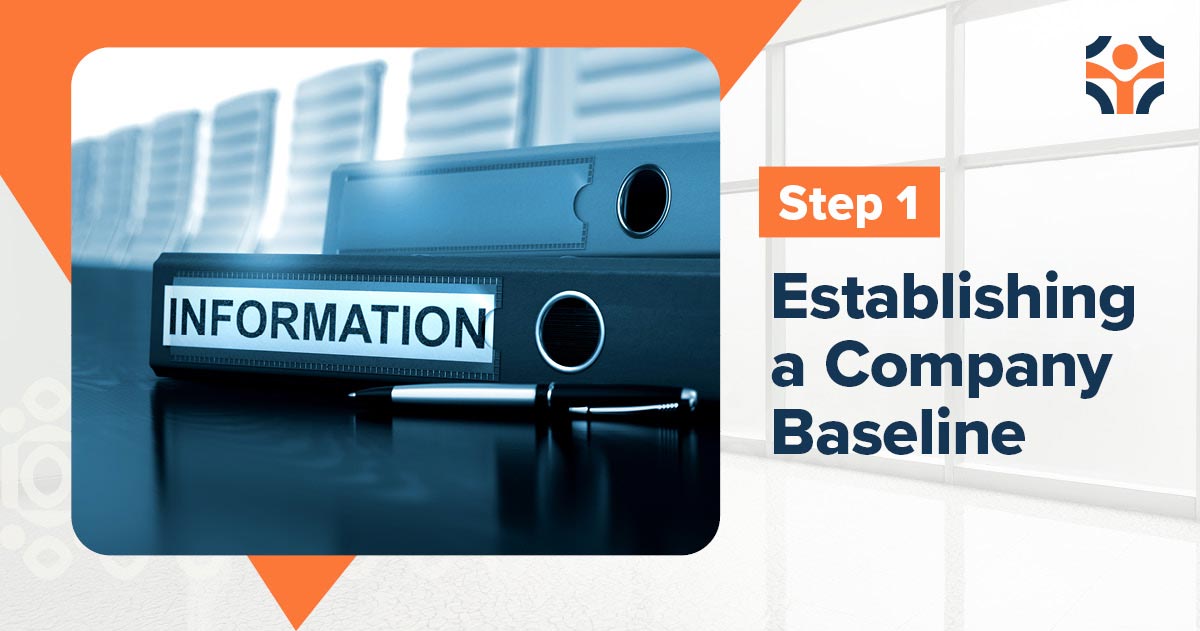
Step 1: Establishing a Company Baseline
We begin by gathering all publicly accessible information on the target company. This foundational data includes:
- Official business registration records
- Listed directors and shareholders
- Operating locations and associated entities
- Published financial statements, where available
This phase helps us define the formal structure of the business and verify that it matches what has been presented to you. We check that company names are correctly listed, registrations are up to date, and the people involved are who they claim to be.
This baseline profile gives us the launchpad to move into deeper investigative layers, connecting data points across jurisdictions, timeframes, and industries.
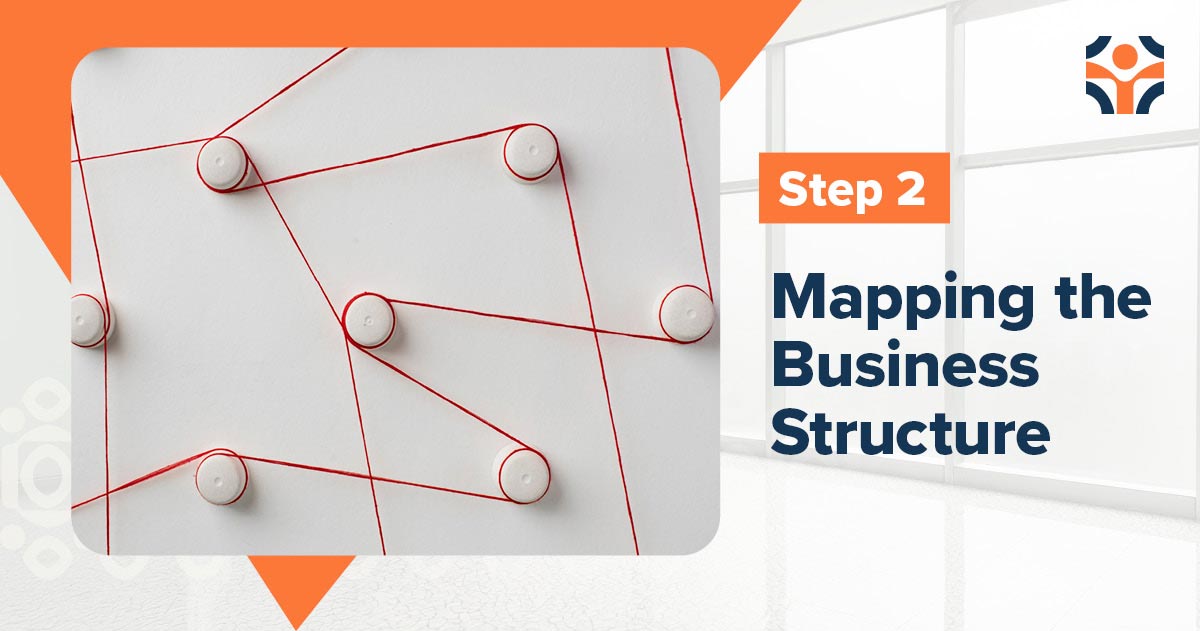
Step 2: Mapping the Business Structure
Many companies have complex ownership webs, and joint venture proposals often include only the top layer. Our task is to map what lies beneath.
We use specialized tools to trace:
- Directors and executive appointments
- Shareholder structures, including cross-holdings
- Parent companies, sister companies, and subsidiaries
- Connections to offshore or inactive entities
By analyzing this data, we can detect signs of risk, such as:
- Circular ownership patterns that obscure accountability
- Links to companies involved in prior financial or legal scandals
- Unexplained ties to shell entities or inactive firms used to move assets
This structural map helps expose liabilities and pressures that may not be visible in a pitch deck. It also ensures you know exactly where your future partner fits within their larger corporate ecosystem.

Step 3: Checking Public Records and Media Coverage
A company’s legal and reputational history often offers the clearest window into how they operate under stress. We search a combination of:
- Litigation and court databases
- Regulatory filings and compliance bulletins
- Global news archives and industry media
- Whistleblower reports, consumer forums, and investigative journalism
Our goal is to identify any history of:
- Lawsuits or arbitration involving financial misconduct, labor issues, or contract breaches
- Fines or penalties from regulatory authorities
- Negative media coverage that may indicate ethical concerns or reputational volatility
We assess both direct incidents and patterns over time. For example, a single past lawsuit may not be a deal-breaker, but a recurring history of labor disputes, supplier conflicts, or environmental violations often signals a deeper cultural issue.
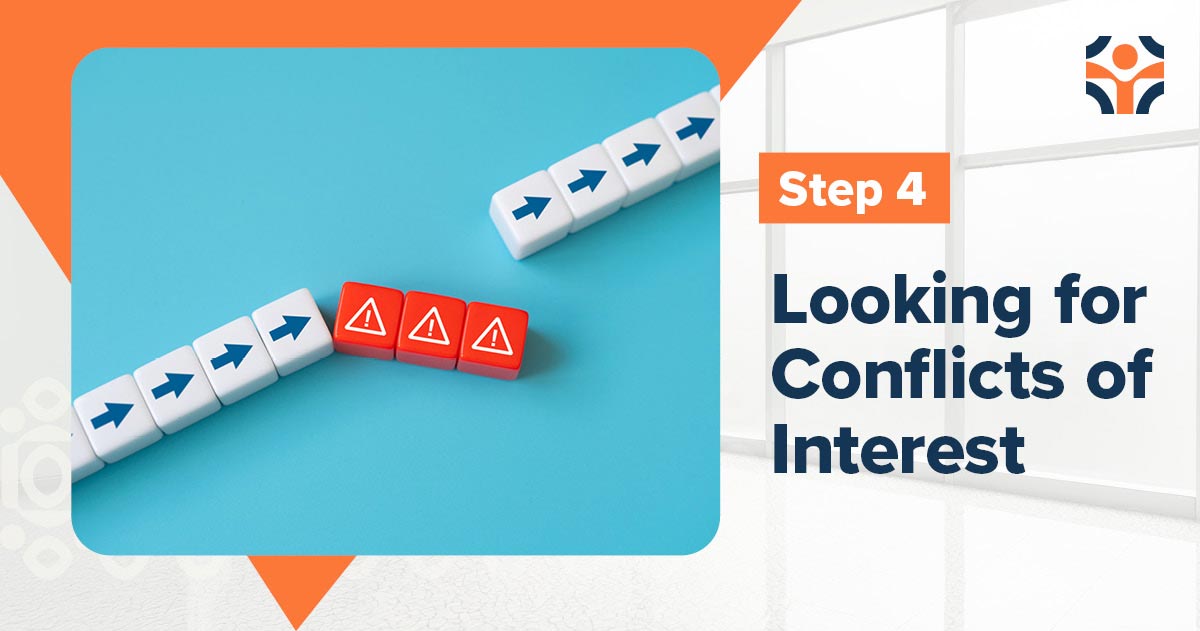
Step 4: Looking for Conflicts of Interest
One of the most overlooked risks in joint ventures is the presence of conflicts of interest among directors or executives. These are not always disclosed voluntarily, and they can dramatically affect your negotiation leverage, trust, and long-term collaboration.
We investigate whether any individuals in leadership:
- Hold board seats at your competitors
- Maintain ownership stakes in companies that might benefit from the joint venture’s inner workings
- Are connected to suppliers, vendors, or clients that create undue influence or preferential treatment
By surfacing these relationships, we help you avoid entering into partnerships where loyalty is divided or control is subtly influenced by external interests.

Step 5: Compiling Actionable Insights
After completing our investigation, we deliver a comprehensive and easy-to-digest intelligence report. This is not a generic data dump, it’s a tailored briefing that outlines:
- A complete organizational chart of the target business
- Profiles of directors and key stakeholders
- Notable legal and regulatory history
- Visual relationship maps showing connections to other entities
- All flagged risks explained with context and severity
The report equips you with the insight to:
- Renegotiate terms based on uncovered liabilities
- Walk away from high-risk partners
- Move forward with confidence and proper legal safeguards
We also include strategic recommendations if you decide to proceed. These may include red lines, compliance monitoring tips, or clauses to include in your agreement to protect your interests long-term.
Why Our Process Matters
Traditional due diligence tends to focus on financials, references, and operational capacity. While these are important, they often miss what truly derails partnerships — ethical conflicts, hidden affiliations, unresolved lawsuits, or reputational baggage.
Insight Intel brings investigative precision to partnership vetting. We give you more than facts — we give you clarity. With our help, you gain a partner you understand fully, not just one that looks good on paper.
Before you commit, let us help you see the full landscape.