
How We Identified the Hidden Weak Link in a National Supply Chain
At Insight Intel, we work with businesses to assess the reliability, compliance, and credibility of their logistics and fulfilment providers. Our process is designed to give you clear insights that go beyond what is listed on a company’s website or proposal.
Categories:
Date Posted:
July 23, 2025
How We Identified the Hidden Weak Link in a National Supply Chain
At Insight Intel, we work with businesses to assess the reliability, compliance, and credibility of their logistics and fulfilment providers. Our process is designed to give you clear insights that go beyond what is listed on a company’s website or proposal.
Categories:
Date Posted:
July 23, 2025
Ironclad Logistics: How We Identified the Hidden Weak Link in a National Supply Chain
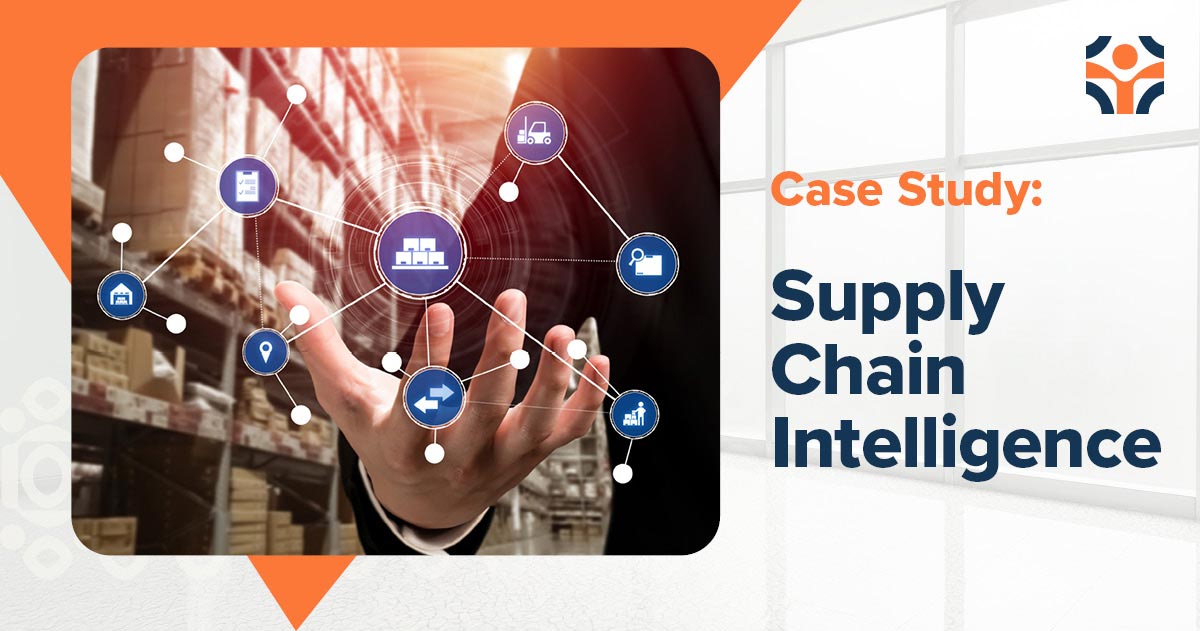
An efficient supply chain Supply Chain Due Diligence report is not just a competitive advantage; it is a requirement for sustainable business growth. In South Africa, where logistics networks often stretch across provincial lines, informal subcontractor networks, and cross-border trade routes, choosing the right partner is a critical decision.
At Insight Intel, we work with businesses to assess the reliability, compliance, and credibility of their logistics and fulfilment providers. Our process is designed to give you clear insights that go beyond what is listed on a company’s website or proposal.
Here is how we help protect your operations from reputational damage, service disruptions, and regulatory exposure.

Step 1: Beginning with the Company Profile
We begin by gathering the core information available on the company in question. This includes:
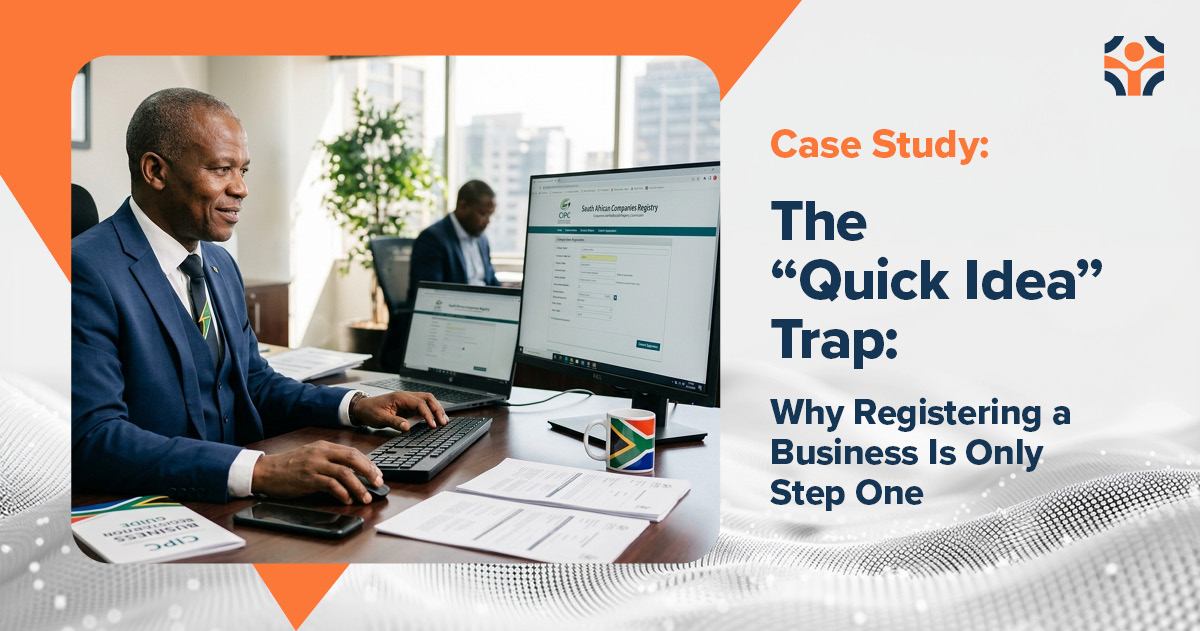
- CIPC registration data
- Details of shareholders and directors
- Known trading names or affiliated entities
- Publicly listed facilities, such as depots, warehouses, or head offices
This step allows us to verify that the company exists in the form it claims to. For instance, a company based in Cape Town might advertise national delivery, but without regional offices or a scalable fleet, those claims may not hold up under scrutiny.
We also check whether the company has recently changed its trading name or undergone a re-registration, which can sometimes point to restructuring or a past history that needs attention.
Step 2: Investigating Physical Assets
If the logistics provider operates its own vehicles, we look into the status and movement history of those assets. This might include:
- Long-haul trucks used for freight transport between Johannesburg and Durban
- Courier vehicles servicing metro areas such as Tshwane or Gqeberha
- Refrigerated units for time-sensitive goods, such as pharmaceuticals or food
Using publicly accessible databases and industry sources, we examine whether these assets are regularly active, properly maintained, or frequently flagged for non-compliance. In some cases, we identify inconsistencies between the claimed fleet size and what is verifiable.
This analysis can help uncover issues such as overreliance on leased vehicles, underutilised fleets, or poor operational scheduling.

Step 3: Evaluating Compliance History
Compliance failures can cause significant disruption, especially for businesses operating in regulated industries or across borders. We check whether the company has any record of:
- Port detentions, including at Durban, Cape Town, or Ngqura
- Customs delays or documentation irregularities
- Fines or warnings issued by local or international trade authorities
- Appearances on international watchlists or sanction databases
Our focus here is not only on past incidents but also on patterns. A single border delay at Beitbridge may be explained by congestion, but repeated infractions may point to broader operational shortcomings or poor management practices.

Step 4: Analysing Third-Party Relationships
Many logistics providers in South Africa work with subcontractors for warehousing, transport, and last-mile delivery. These relationships can carry as much risk as the primary provider.
We identify who the logistics partner works with, how those partners are managed, and whether any third parties have been involved in past reputational or service-related issues.
For example, a Gauteng-based company might subcontract rural deliveries to a smaller operator in Limpopo. If that subcontractor has a record of failed deliveries or poor vehicle maintenance, your business could feel the consequences, even if your direct contract is with the main provider.
Step 5: Delivering the Findings
All findings are compiled into a comprehensive report tailored to your industry and specific business needs. The report includes:
- An overview of the company’s corporate structure and leadership
- A profile of their operational footprint and available assets
- Any red flags relating to compliance or unresolved legal matters
- A breakdown of subcontractor relationships and known risks
- Clear recommendations to support your decision-making
The information is presented clearly, with visual mapping of key links where appropriate. You will not be left to interpret complex data or make assumptions.
Why This Matters for South African Businesses
South African supply chains are vulnerable to a range of local and regional challenges. These include theft, road disruptions, cross-border inconsistencies, and last-mile delivery gaps. Without proper vetting, you could find your products delayed, damaged, or exposed to non-compliant handling.
Our role is to ensure that your logistics providers align with your values, your compliance requirements, and your service standards.
Insight Intel offers peace of mind by identifying weaknesses before they become costly problems. Whether you are onboarding a new warehousing partner in Gauteng or reviewing a cross-border fulfilment provider operating in SADC markets, we are here to support your due diligence process with clarity and discretion.
Before your product moves, let us help you make sure the people moving it can be trusted.