
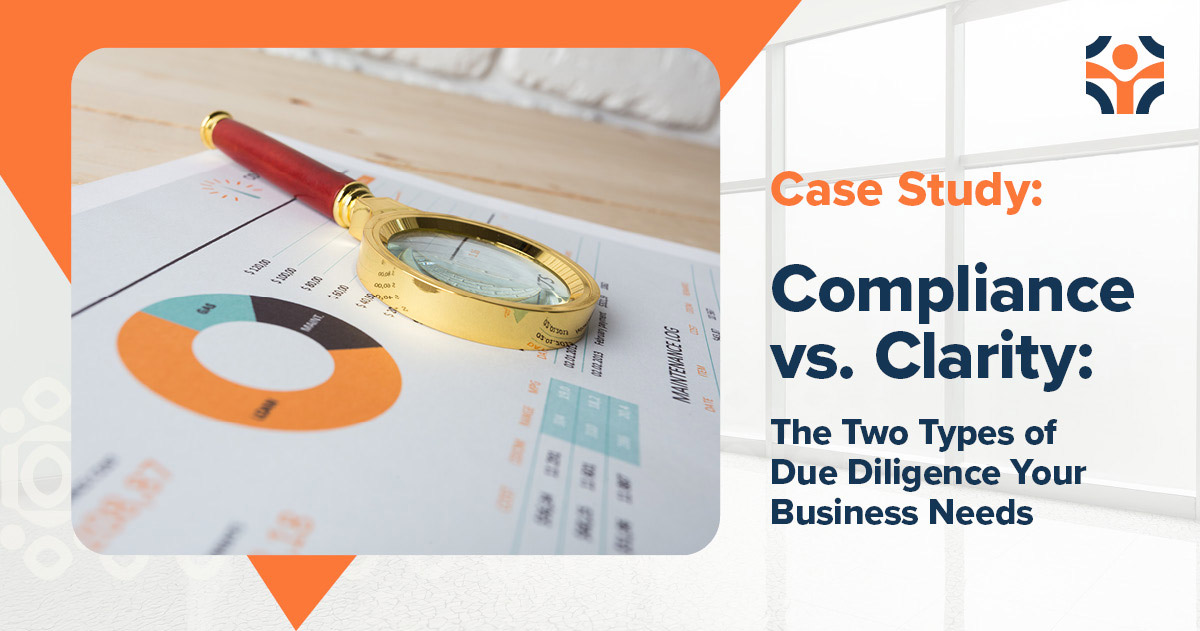
Compliance vs. Clarity: The Two Types of Due Diligence Your Business Needs
Most businesses stop at compliance when it comes to due diligence. But ticking a regulatory box does not protect you from hidden risks, reputational damage, or undisclosed conflicts of interest. This article explains why clarity is just as important as compliance, and how Insight Intel’s analytical due diligence bridges the gap to safeguard your most critical business decisions.
Categories:
Date Posted:
September 1, 2025
Compliance vs. Clarity: The Two Types of Due Diligence Your Business Needs
Most businesses stop at compliance when it comes to due diligence. But ticking a regulatory box does not protect you from hidden risks, reputational damage, or undisclosed conflicts of interest. This article explains why clarity is just as important as compliance, and how Insight Intel’s analytical due diligence bridges the gap to safeguard your most critical business decisions.
Categories:
Date Posted:
September 1, 2025
Compliance vs. Clarity: The Two Types of Due Diligence Your Business Needs
A global corporation appoints a new executive to its leadership team. The candidate passes every automated background check without a single issue. Six months later, the company is forced into crisis management mode when the executive’s history of inflammatory public commentary and hidden conflicts of interest becomes public.
How does this happen? The company confused compliance with clarity.
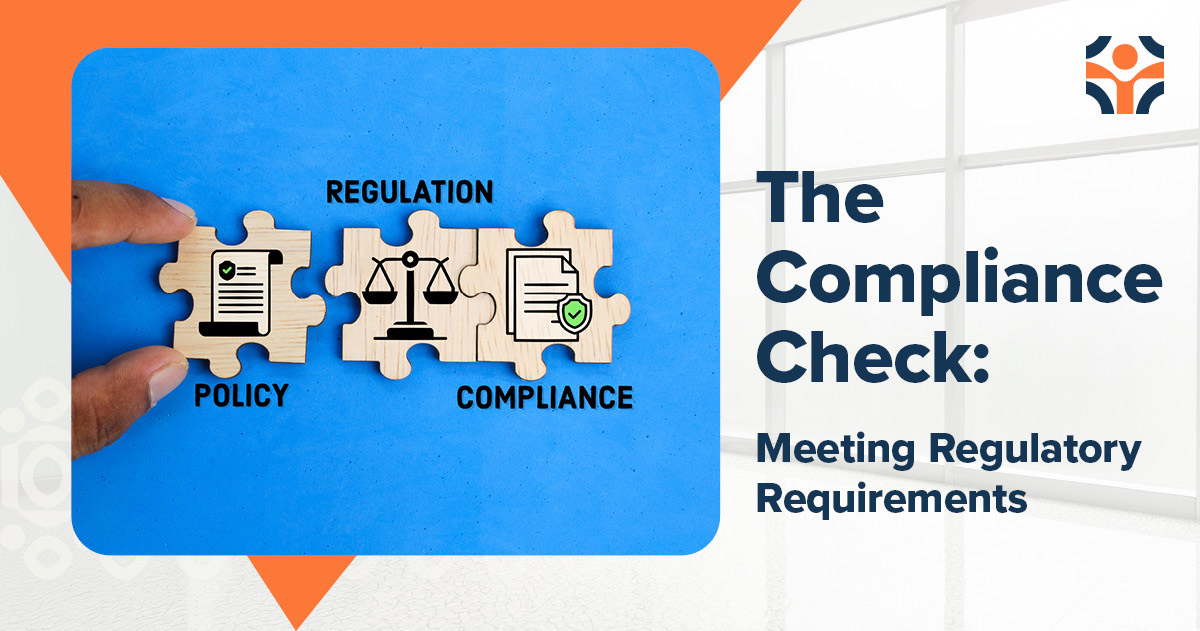
The Compliance Check: Meeting Regulatory Requirements
In today’s business environment, watchlist and sanctions screening is an essential compliance tool. These systems are designed for efficiency: they cross-reference thousands of names against global compliance databases such as KYC and AML lists in a matter of seconds.
When the question is simply “Does this name appear on a list?” the technology provides a fast and reliable answer. It keeps businesses on the right side of regulatory frameworks and ensures that basic legal obligations are met.
But once the compliance box is ticked, the insight stops. For critical business decisions, passing this baseline test is not enough.
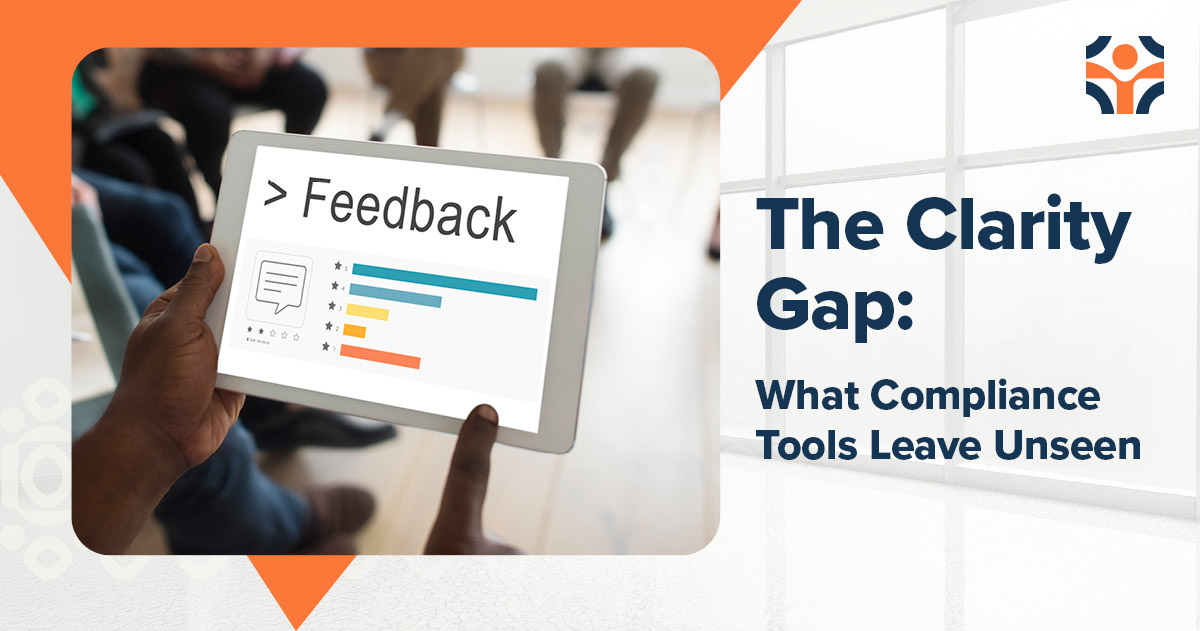
The Clarity Gap: What Compliance Tools Leave Unseen
Compliance-driven checks focus on known risks. They do not uncover the unknowns that can damage your business long after the paperwork is signed. The blind spots are significant:
- Context and nuance: A flagged news article may involve your candidate, but only deeper analysis can reveal whether they were the subject of misconduct, the whistleblower, or simply mentioned in passing.
- Behavioral warning signs: Online commentary, public statements, and patterns of digital engagement often reveal risk factors that a database search will never capture.
- Undisclosed conflicts of interest: A side company registered under a family member’s name, or business interests hidden behind another email address, can escape automated detection entirely.
- Risk through association: Professional and personal networks can expose vulnerabilities if a subject is connected to individuals or entities with reputational or legal issues.
These are the risks that compliance tools overlook. And they are often the very risks that create reputational crises.
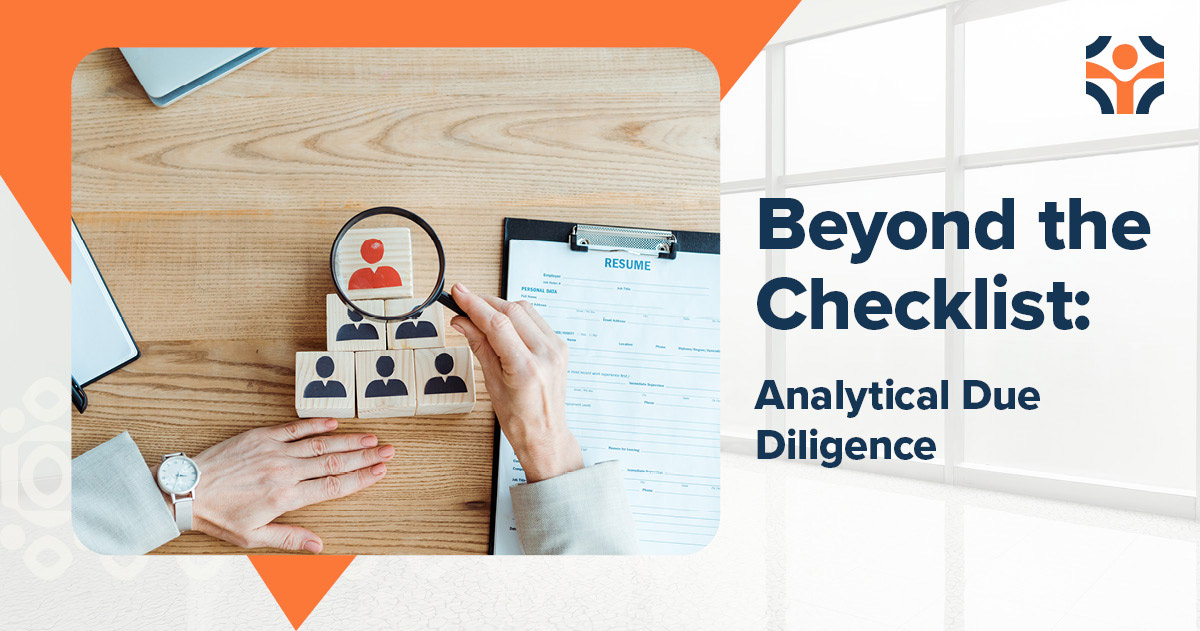
Beyond the Checklist: Analytical Due Diligence
True clarity requires more than screening. It requires analysis. Analytical due diligence is a structured, human-led process that integrates investigative methods with advanced research capabilities to build a complete intelligence profile.
Instead of focusing on whether a person passes or fails, this approach answers the deeper questions:
- Is their professional history verifiable through credible, open sources?
- Does their public persona align with your organisation’s values?
- Are there affiliations, hidden or declared, that present conflicts of interest?
- What reputational, cultural, or political risks could influence their role within your business?
This type of due diligence does not simply add information. It connects the dots, providing context and meaning that compliance alone cannot deliver.

Why Your Business Needs Both
Compliance tools are vital for scale and efficiency. They keep businesses aligned with regulations and form the foundation of a responsible risk management framework. But they are not designed to protect reputations or inform high-stakes decisions.
When hiring a senior executive, pursuing a joint venture, or onboarding a major supplier, a simple checkmark is insufficient. These decisions carry long-term consequences for your brand, your stakeholders, and your future.
By combining compliance with clarity, businesses gain both protection and perspective. Automated systems meet the regulatory baseline, while analytical due diligence delivers the context and insight needed for certainty.

The evolution of due diligence
The choice is not between compliance and clarity. It is about recognising that one cannot substitute for the other. Compliance answers the legal question. Clarity answers the strategic one.
Is your current due diligence process giving you both? Or are you relying on a system that leaves your business exposed to hidden risks?
At Insight Intel, we specialise in bridging the gap. Our analysts deliver the depth of understanding required to safeguard reputations and guide confident decision-making.
Contact us today to learn how clarity protects your business from the risks that compliance alone cannot see.